If homes had a least-favorite topic, waterproofing might just win. It’s not glamorous. It’s not as exciting as renovating your kitchen or buying new furniture for the living room. And it’s probably not something you show off when friends come over.
But here’s the thing: nothing ruins a beautiful home faster than water seepage that has overstayed its welcome. In climates where rain and humidity are regular visitors, keeping water where it belongs is one of the smartest investments you can make.
Key Takeaways
Water can enter through cracks, gaps, joints, edges, or porous surfaces
Each area of the home faces different water challenges and requires tailored solutions
Choosing the right waterproofing method ensures long-lasting protection
Regular maintenance helps prevent costly repairs and extends the life of waterproofing
Interior and exterior areas are connected, so a whole-home approach is essential
Preventive waterproofing saves money and maintains a healthy living environment
Early detection of damp patches, cracks, or stains prevents major problems
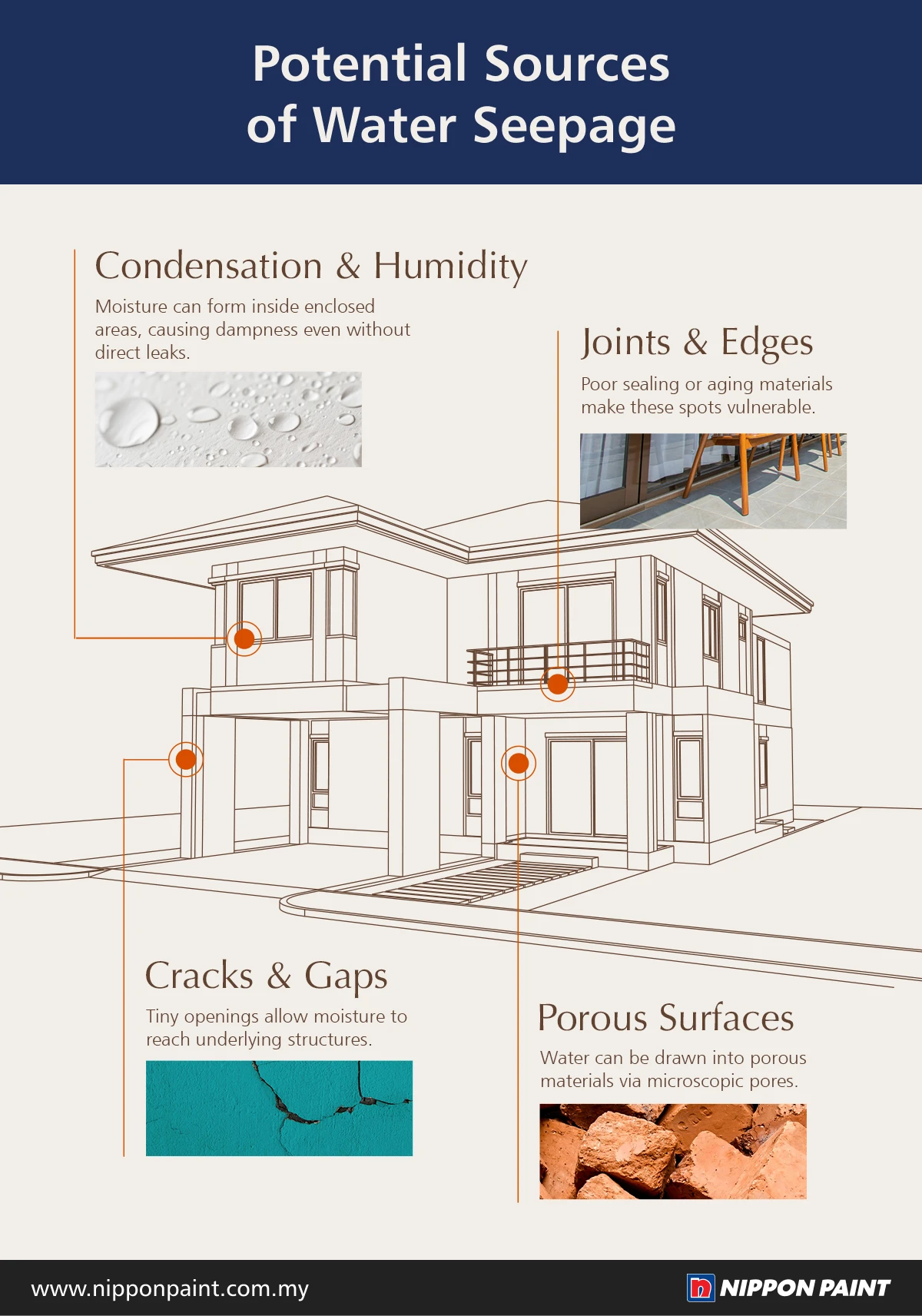
Water is persistent and will find its way into any home through weak points. Understanding these common pathways helps you protect your property effectively.
Cracks and gaps : Water seeps through cracks in floors, walls, balconies, or roofing materials. Even tiny openings can allow moisture to reach underlying structures.
Joints and edges : Areas where materials meet, such as tile edges, balcony slabs, pool joints, or roof valleys are common entry points. Poor sealing or aging materials make these spots vulnerable.
Porous surfaces : Water can be drawn into materials like concrete, grout, or masonry, slowly moving through microscopic pores.
Condensation and humidity : Moisture can form inside walls, ceilings, or enclosed areas, causing dampness even without direct leaks.
Choosing the Right Waterproofing Approach for Different Areas
Each area of a home experiences water differently, so the waterproofing approach must match the specific conditions.
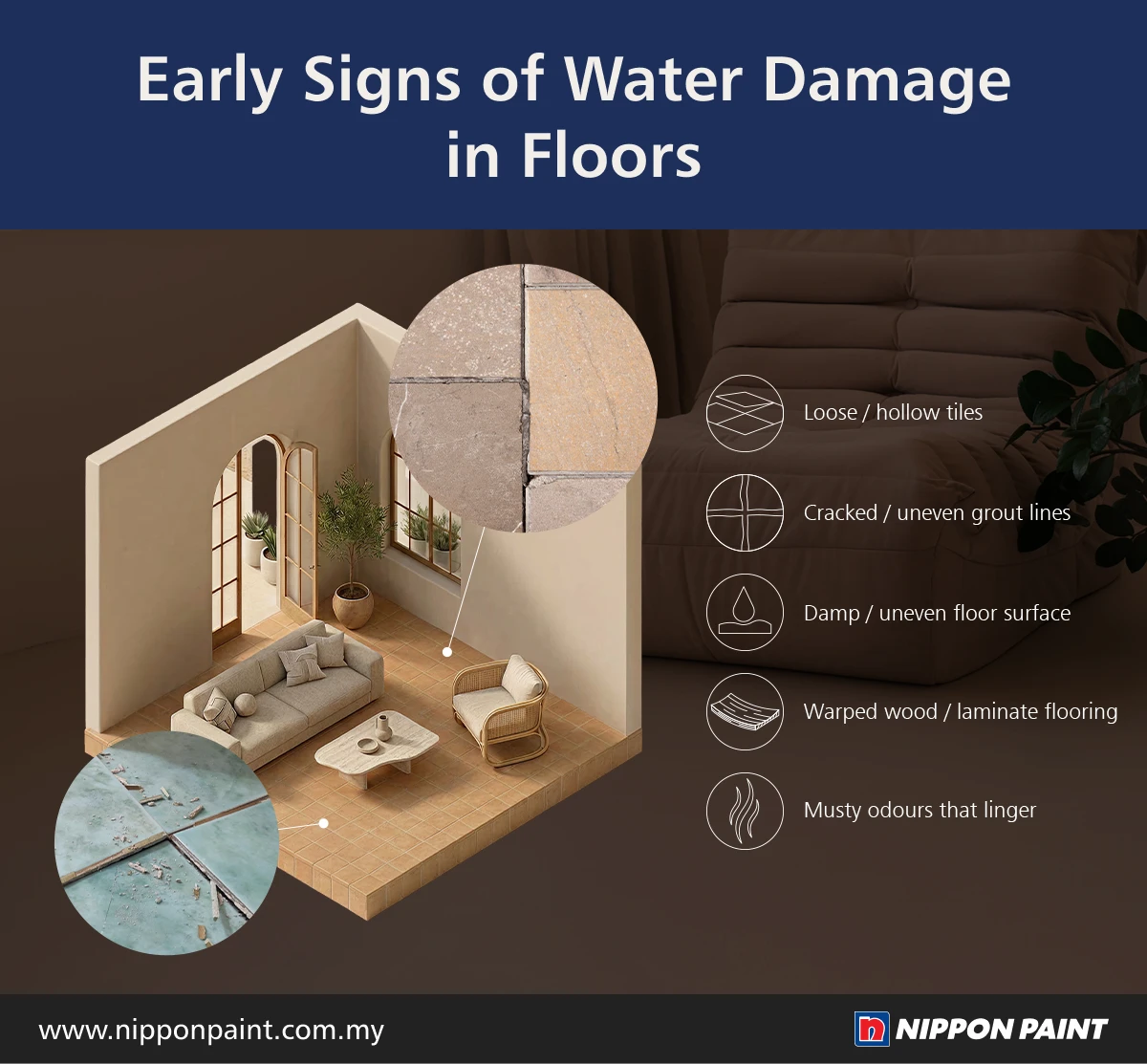
i) Floors Floors are exposed to daily moisture from spills, cleaning, and humidity. They require waterproofing solutions that not only block water but also accommodate movement caused by foot traffic or minor structural shifts. Flexible coatings and properly sealed joints help prevent water from seeping into the subfloor and underlying structures.
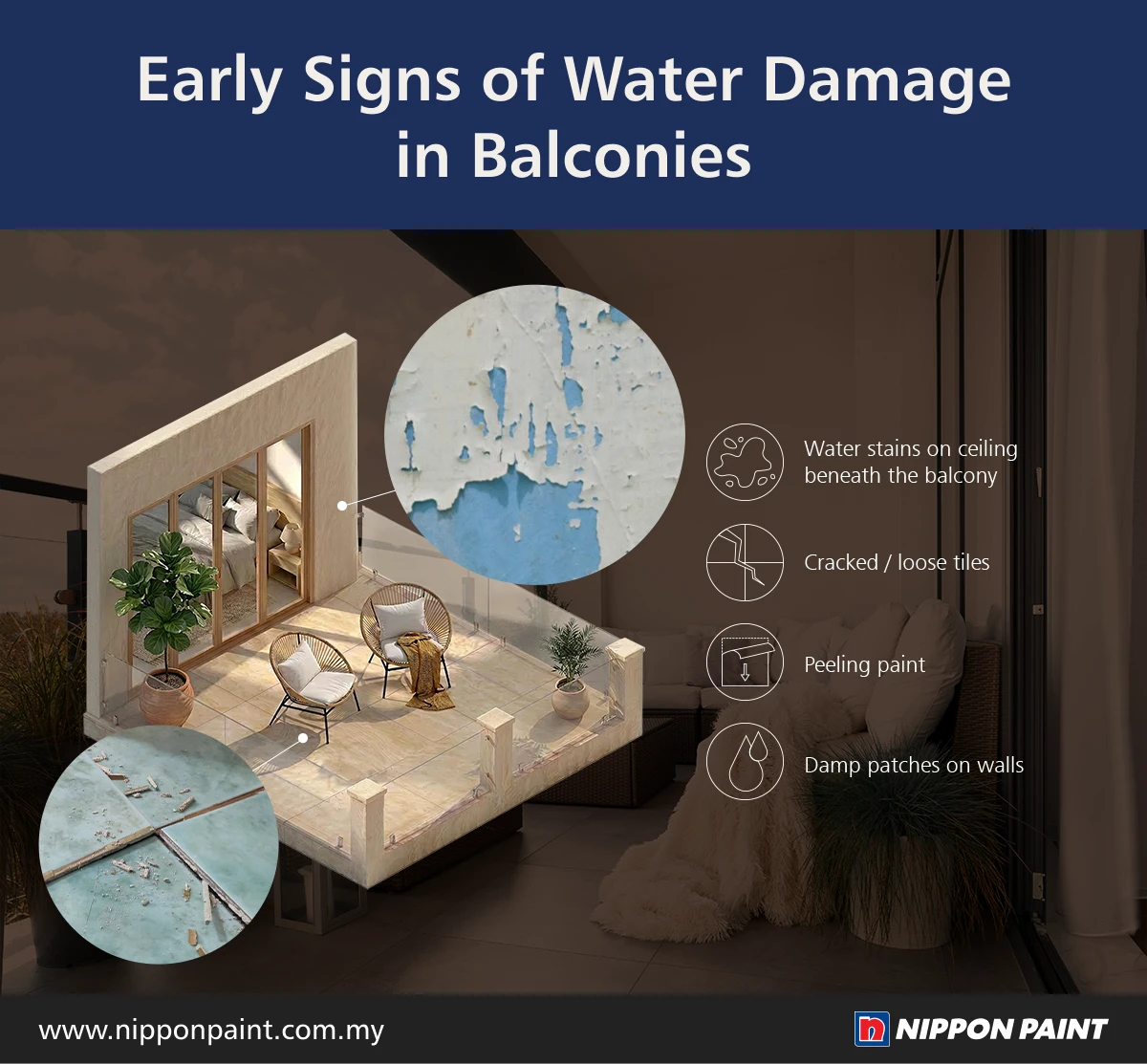
ii) Balconies Balconies act as a transition between indoor and outdoor spaces, making them vulnerable to rainwater, sun exposure, and temperature fluctuations. Waterproofing must include weather-resistant barriers and careful attention to corners, edges, and drainage outlets to prevent pooling and water ingress that could affect interior ceilings or walls below.
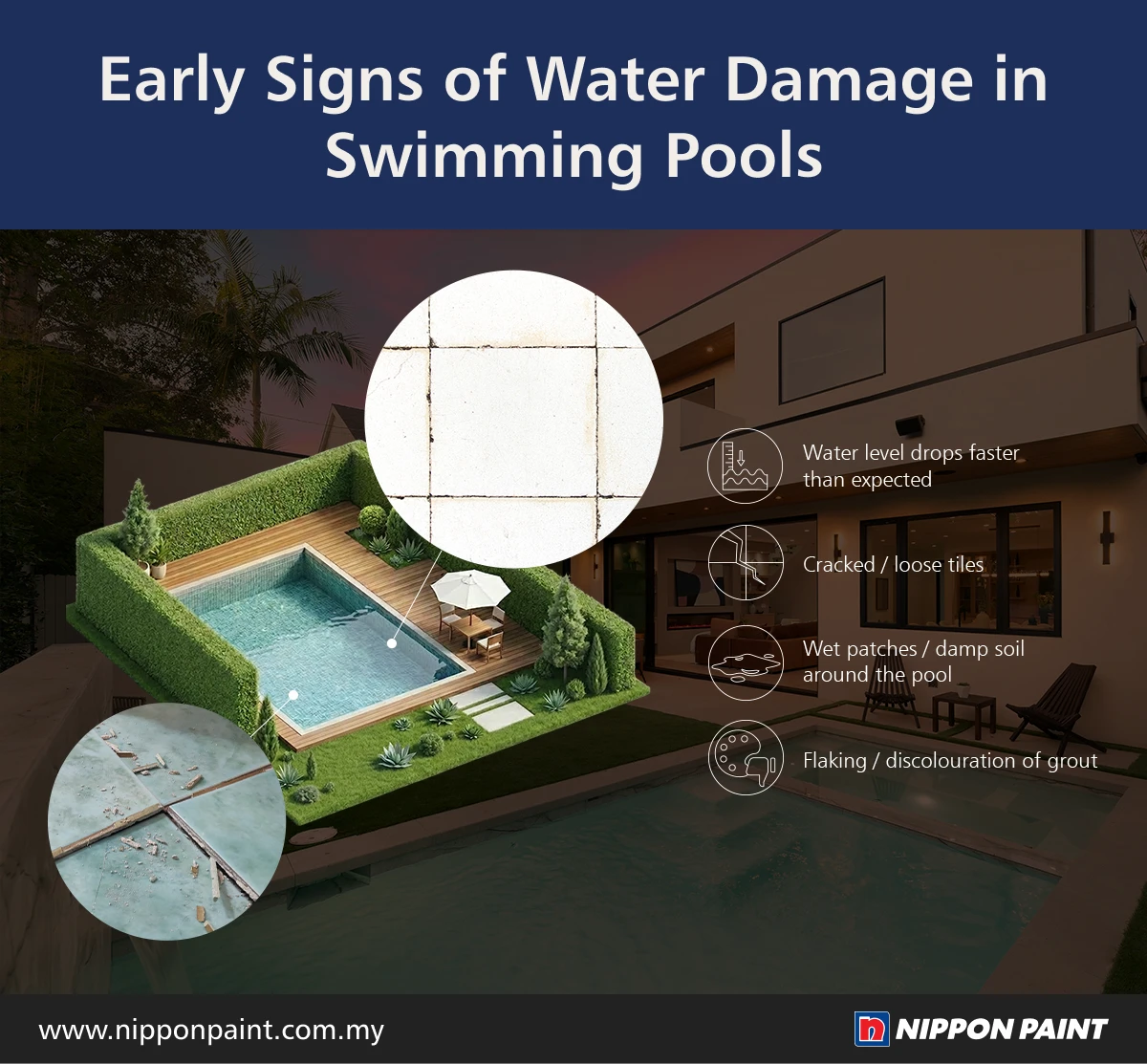
iii) Swimming Pools Pools are subjected to constant water pressure, chemical exposure, and temperature changes. A continuous waterproof barrier is essential to prevent leaks and protect the structural integrity of the pool shell. Materials used must be specifically designed for immersion and able to withstand prolonged contact with water and chemicals.
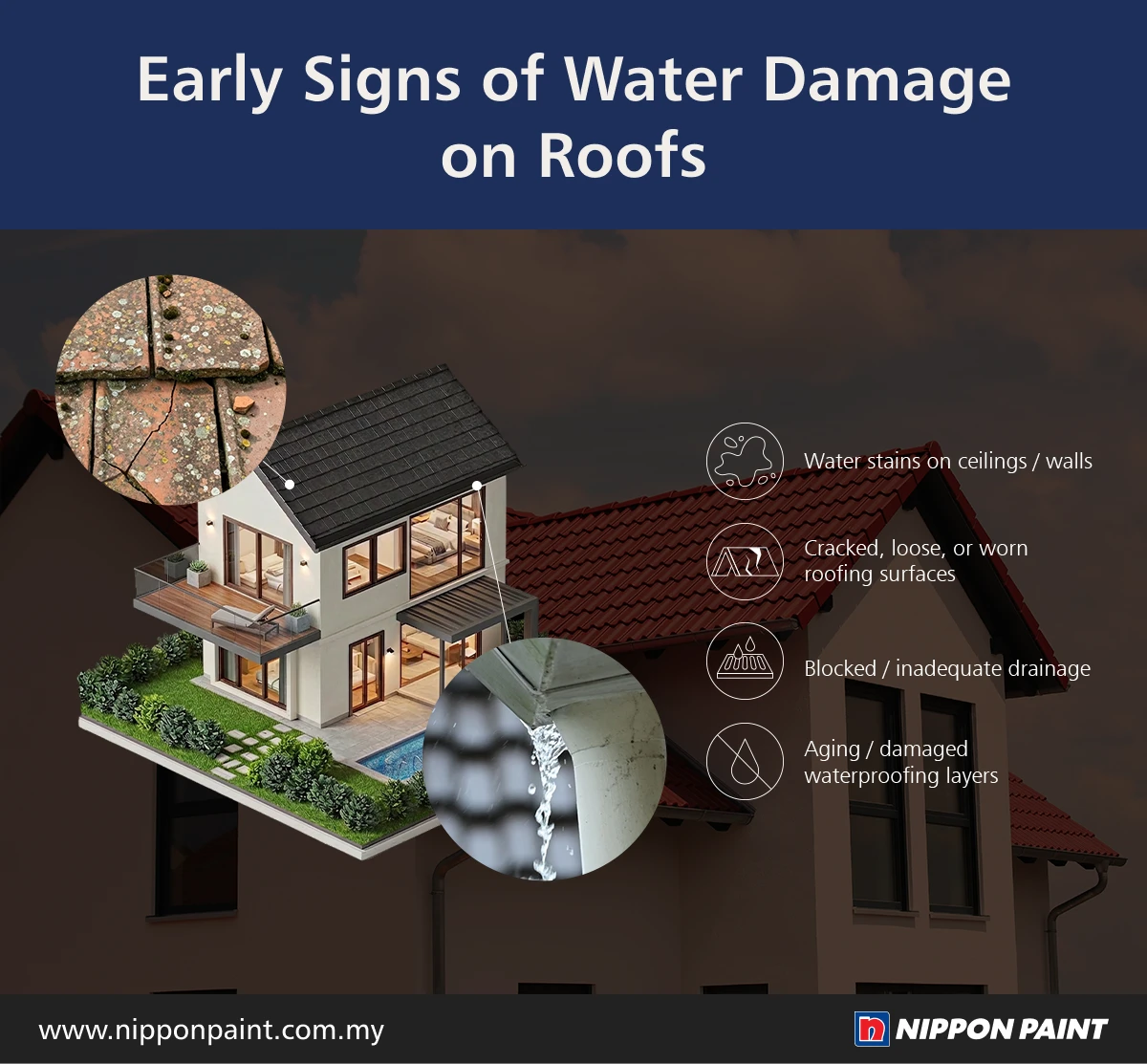
iv) Roofs Roofs face heavy rainfall, UV radiation, and temperature swings, which can accelerate wear and tear. Waterproofing strategies should include seamless membranes, reinforcement for cracks or joints, and properly designed slopes to guide water toward drains. This ensures that water does not accumulate or infiltrate the roofing structure.
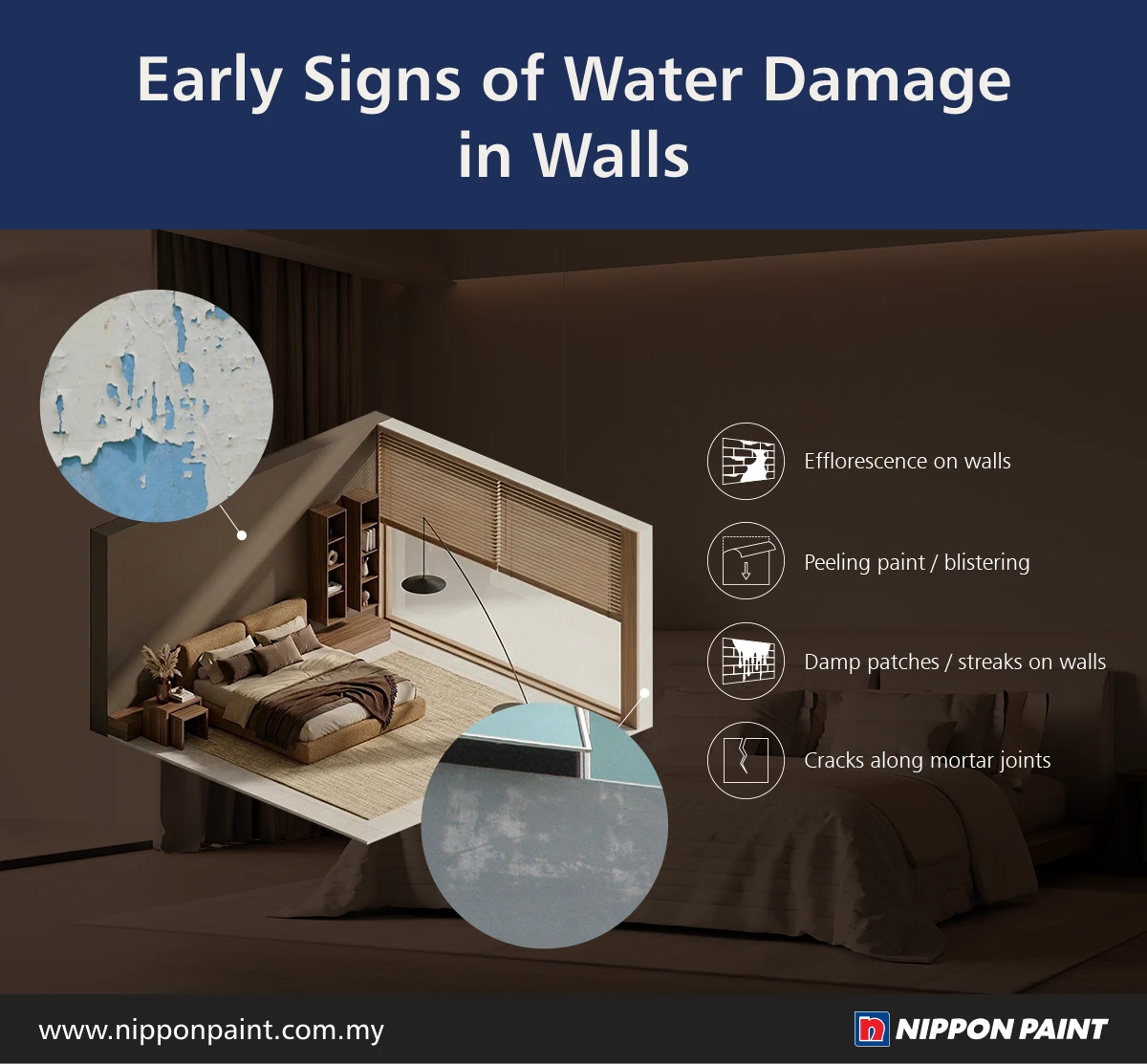
v) Walls (Interior & Exterior) Walls experience water differently depending on location. Interior walls are often affected by condensation, spills, or leaks from adjacent areas. Exterior walls face rainfall, wind-driven moisture, and temperature fluctuations. Protective coatings, sealants, and proper joint treatments are essential to prevent dampness, efflorescence, or structural weakening over time.
Keep Your Home Protected with a Proper Waterproofing System
Waterproofing is not about treating individual problems in isolation. Floors, balconies, swimming pools, and roofs each serve different functions, but together they form a building’s defense against moisture. A weakness in one area can eventually affect others.
What homeowners can do:
Conduct regular visual inspections : Take the time to check both interior and exterior areas of your home, including floors, walls, balconies, roofs, and around windows or doors. Look for signs of water damage such as stains, bubbling paint, or damp patches. Early detection is key to preventing minor issues from turning into costly repairs.
Address small cracks or damp spots promptly : Even tiny cracks or traces of moisture can worsen over time if left untreated. Fixing these early, whether through sealing, repainting, or applying a moisture barrier can prevent structural damage, mold growth, and deterioration of finishes.
Keep drainage systems clear and functional : Gutters, downpipes, and floor drains should be free from leaves, debris, or blockages to allow water to flow away from your home efficiently. Proper drainage reduces water pooling that can seep into floors, walls, or foundations.
Consider professional assessments : For older homes, properties with a history of water issues, or recurring leaks, it’s wise to consult a waterproofing specialist. Professionals can identify hidden vulnerabilities, recommend targeted solutions, and ensure that any repair or maintenance work is done correctly.
Conclusion
Waterproofing may not be the most glamorous home improvement topic, but it is one of the most important. Understanding how water moves through a building, recognising early warning signs, and adopting a coordinated approach across all areas of your home can save you from costly repairs and preserve the beauty of your living space.
Nippon Paint’s Bare-to-Finish Solution offers a complete guidance on creating a home that is protected from the ground up. Create your most beautiful home with Nippon Paint today.
FAQ
1. My flat roof has no visible leaks, but I notice slight bubbling or blistering on the surface. Should I worry?
Bubbling often means moisture is trapped beneath the paint membrane. This can occur from aging membranes, improper waterproofing installation, or ponding water. Early inspection and applying the right waterproofing coating membrane can prevent leaks and structural damage.
2. My roof and balcony seem fine, but I notice damp corners inside my home near window edges. What could be causing this?
Water may be entering through gaps around windows or wall joints, even if the main waterproofing is intact. Condensation can also contribute. Sealing gaps, inspecting walls, and improving ventilation can resolve these hidden leaks.
3. Why does water sometimes pool under my tiles after heavy cleaning even though the floor is waterproofed?
Water can seep through micro-cracks or imperfect joints in the grout or membrane, collecting underneath before it evaporates. Ensuring proper tile adhesion, sealing grout lines, and using compatible waterproof membranes prevents this issue.
4. Algae grows faster in one corner of the pool. Could this relate to waterproofing?
Yes. If one corner isn’t waterproofed properly, water can seep in and stay trapped there, making that area constantly damp. This creates the perfect condition for algae to grow faster in that spot.
It’s similar to how fungus forms on tile grout, especially with regular grout, which can absorb and hold moisture. When moisture gets trapped and doesn’t dry out, it encourages biological growth.
5. How long should waterproofing be maintained or inspected?
Waterproofing systems are designed to last over time, but regular inspection is still important to catch early signs of wear, leaks, or damage. Areas like flat roofs or exposed exterior surfaces may need more frequent attention. Simple upkeep such as clearing drains, resealing joints, and minor touch-ups can help extend the lifespan and prevent costly issues later on.