

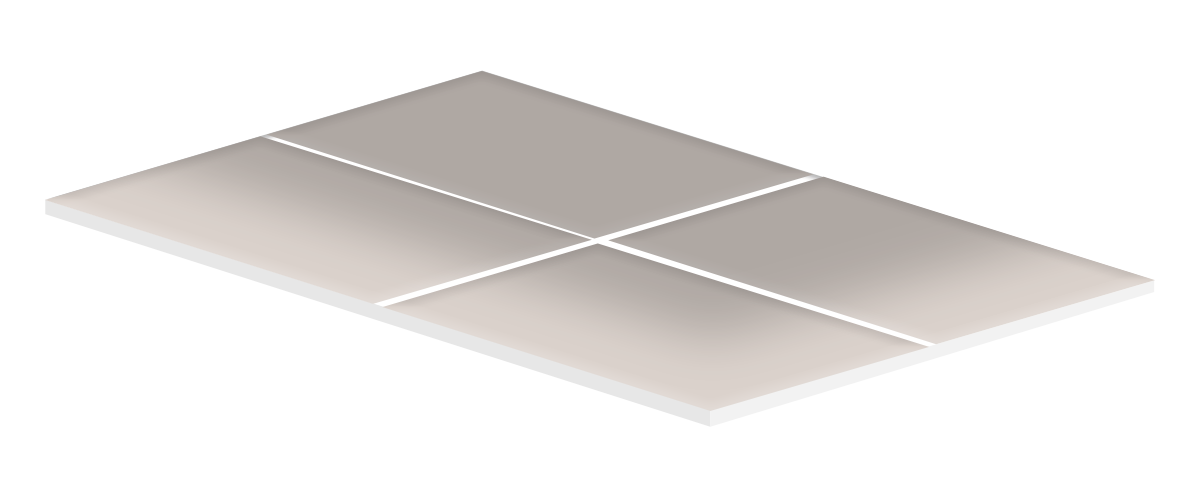
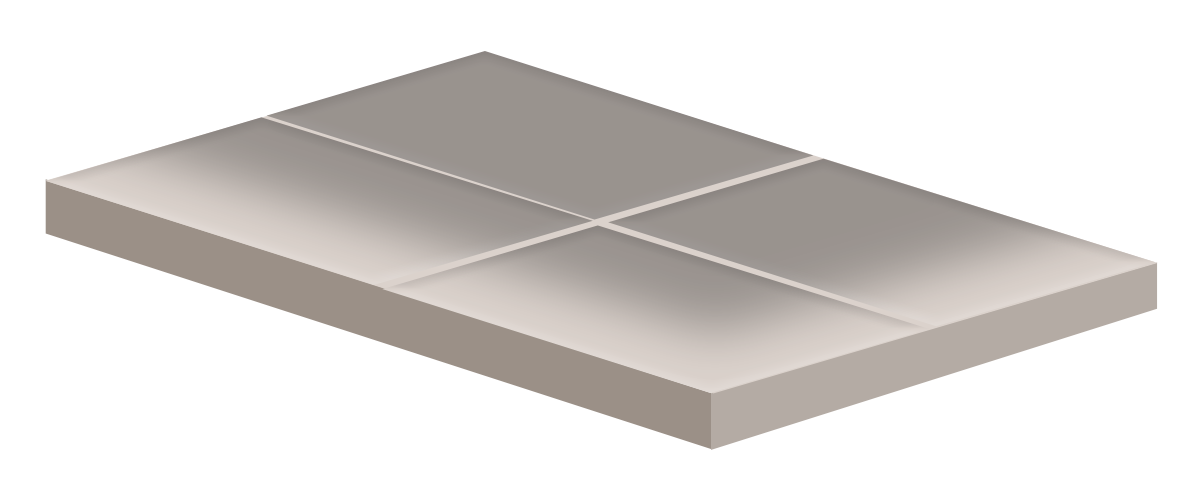
Solve Mould Problems on Tile Joints in Interior Areas

Dark green or black spots along tile joints often indicate mould growth. This occurs when moisture and grime accumulate in damp areas, creating an ideal environment for fungi. Nippon Paint’s Bare-to-Finish Solution for Tile Joint Mould help restore affected joints while reducing the risk of future regrowth in your most beautiful home.

3 Curing
2 Tile Grout
1 Surface Preparation
1

Surface Preparation

Clean the joint by removing dust and debris, and lightly dampen it before applying grout.
3 Curing
2 Tile Grout
1 Surface Preparation

2

Tile Grout

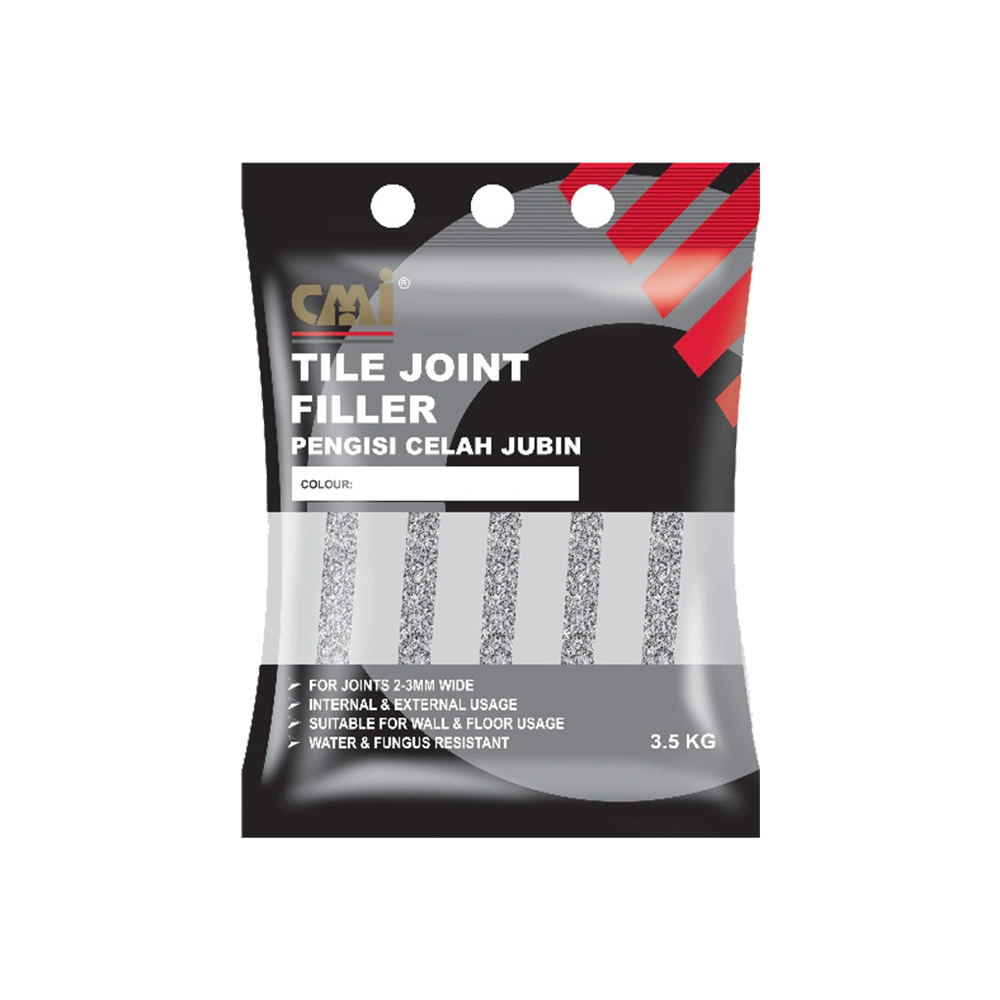
CMI® Tile Joint Filler

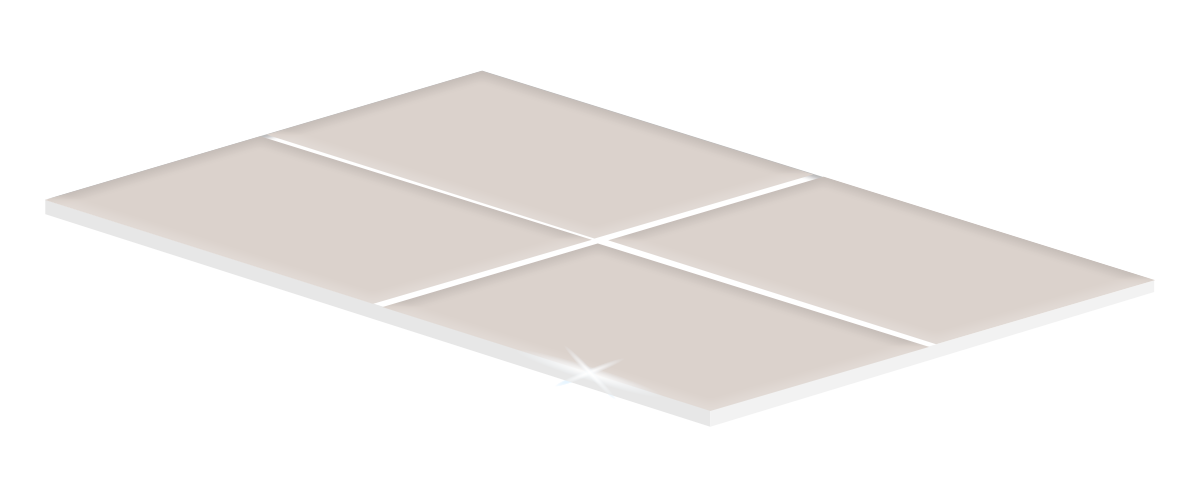
Apply a durable cement-based tile grout to seal the joints and protect against moisture, surface wear, and cracking.

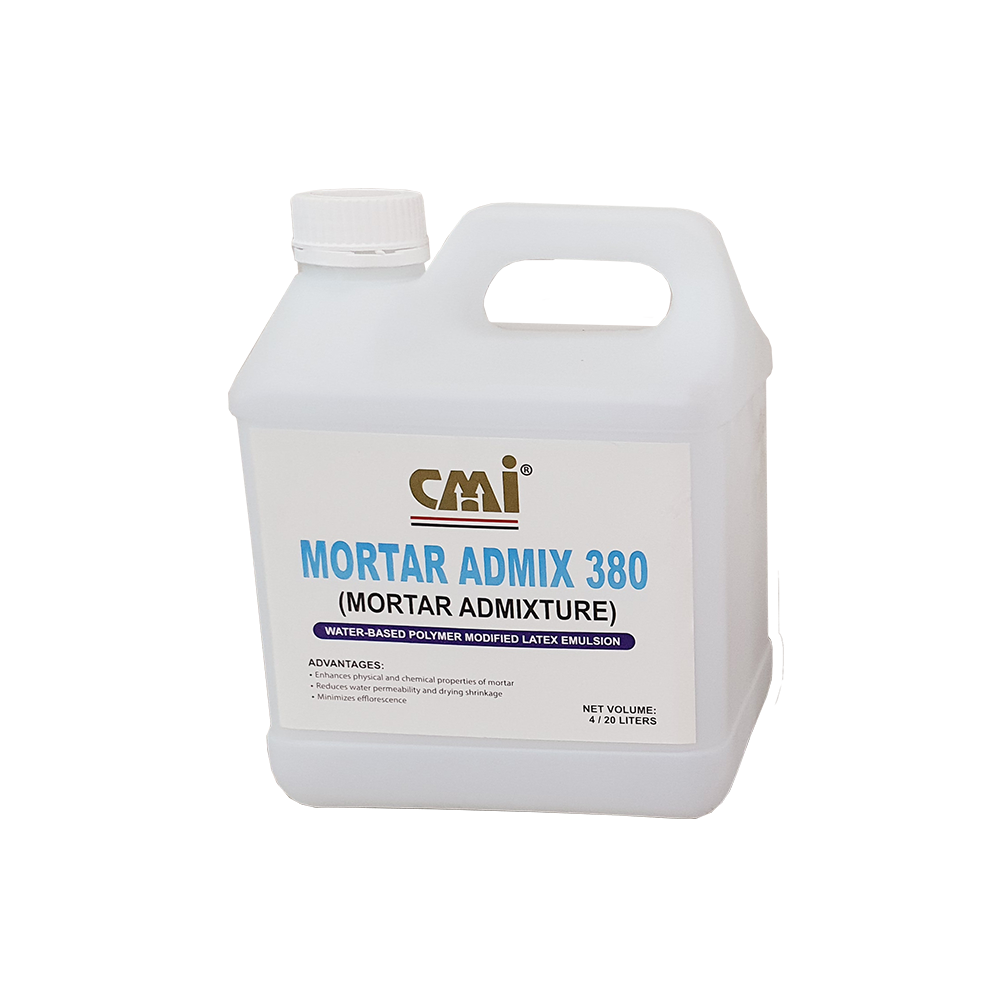
Container of CMI Mortar Admix 380, a water-based polymer modified latex emulsion used to enhance mortar properties, reduce water permeability, and minimize efflorescence. Suitable for construction applications.

Tile Grout

CMI® Mortar Admix 380

Use a latex admixture in place of water when mixing grout to create stronger, flexible joints that better resist cracking and staining.


3

Curing

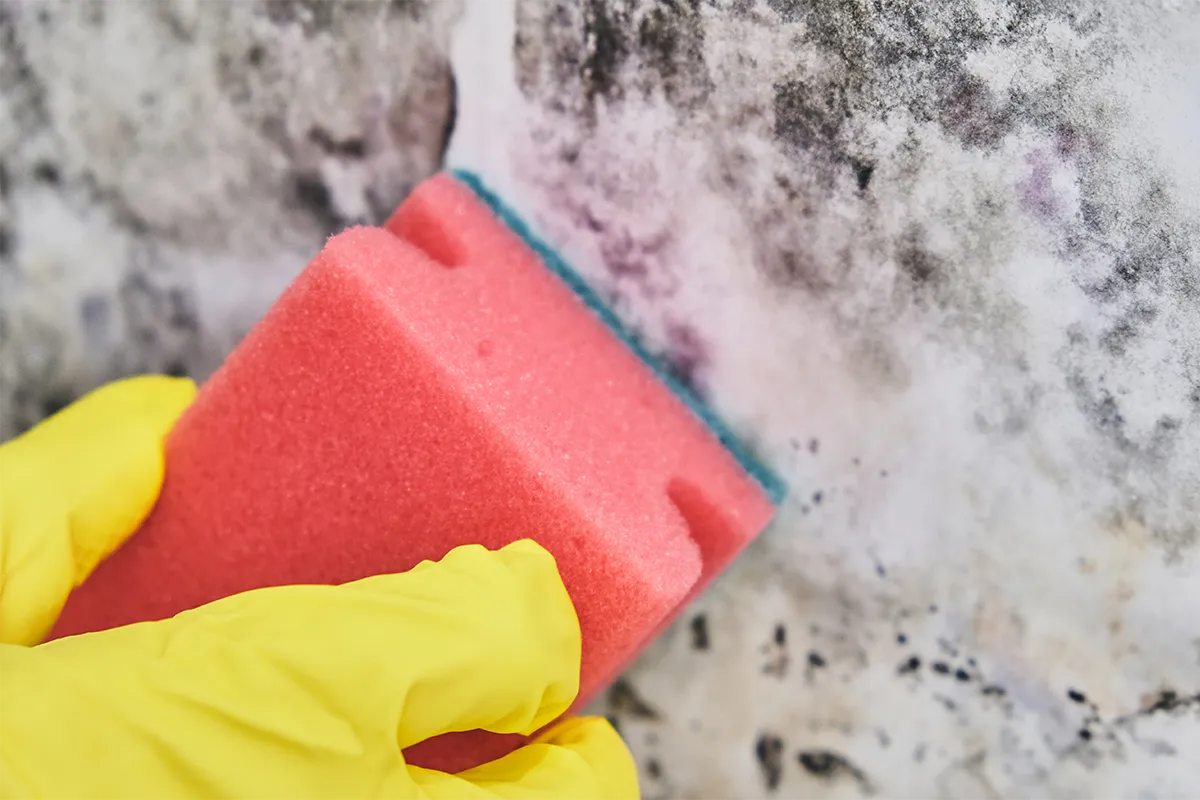
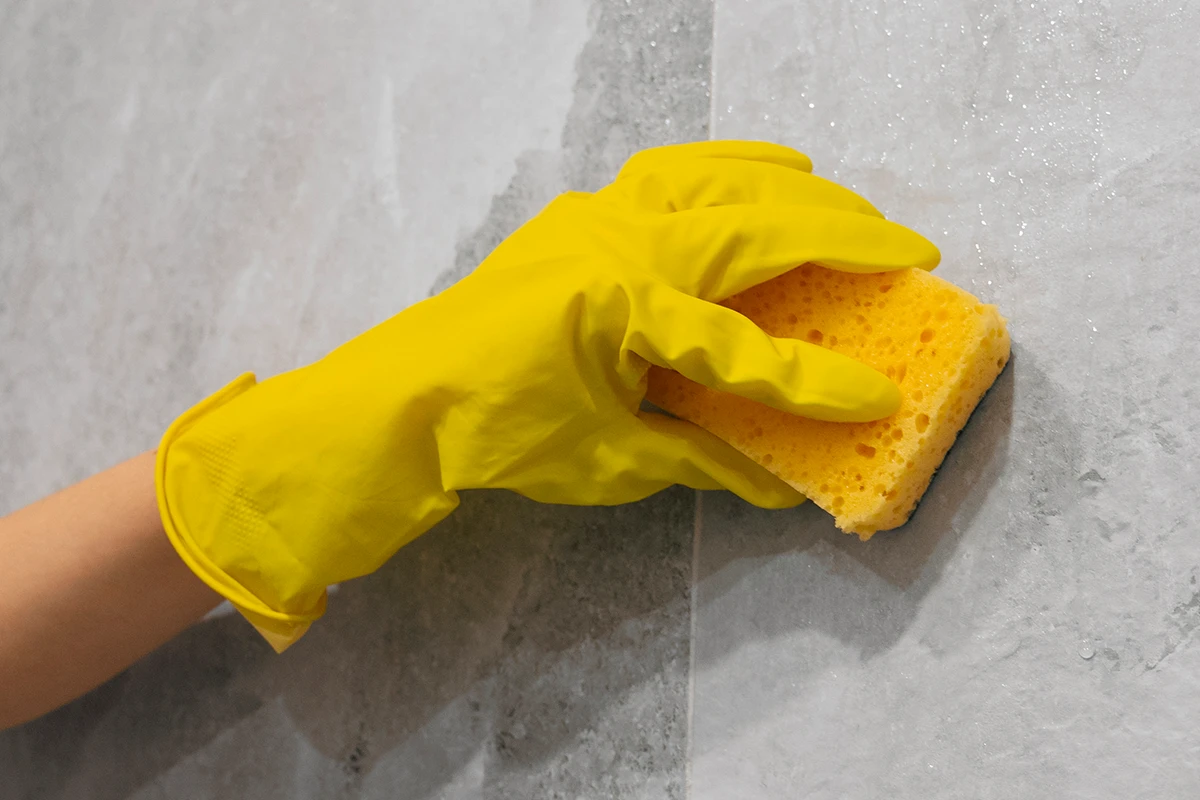
Wipe off any excess with a sponge and allow it to cure for 24 hours.
Ensure long-lasting tile performance with a compatible system 

Each step in the exterior paint process plays a specific role, from surface preparation to the final coat. When these steps are designed to work together, the result is better adhesion, improved durability, and a more consistent finish. Nippon Paint’s Bare-to-Finish Solutions provide a structured approach, helping homeowners achieve better performance from start to finish. Let the Nippon Paint House Pakar share why getting it right from the start makes all the difference.

Your Guide To Bare-to-Finish Solutions for Tile Joint Mould

Learn all about how to solve your tile buckling problems at interior areas.

What Causes Tile Joint Mould?


Tile joint mould is a common problem in bathrooms, kitchens, and other damp areas. It occurs when moisture accumulates in the grout or between tiles, providing an ideal environment for mould and mildew to grow. Aside from being unsightly, it can affect air quality and damage the grout over time. Keep dampness away and keep your tile joints mould-free with Nippon Paint’s Bare-to-Finish Solutions.
Excess Moisture and Poor Ventilation
Outdoor tiles often stay damp after rain or watering. If water doesn’t drain quickly and sits in grout lines, it creates the perfect environment for mould and algae to grow, especially in shaded areas that don’t dry quickly.
Improper Sealing
When exterior tile grout isn’t sealed properly, it stays porous like a sponge, soaking up rainwater and humidity. This trapped moisture creates the perfect breeding ground for mould and algae to take root deep inside the joints.
Organic Debris and Dirt Accumulation

Leaves, pollen, dust, and soil can settle in grout lines and act as a nutrient source for mould growth. Areas that aren’t regularly swept or washed are particularly vulnerable.

Nippon Paint Bare-to-Finish Solutions recommend the compatible coating system, helping you to solve tile joint mould from the root cause. By emphasizing a bare-to-finish solution, each step from preparation to final protective coating works together to create durable, clean, and mould-resistant tile joints that maintain their performance and appearance over time.

Explore our recommended system solutions or speak to a Nippon Paint expert to find the right approach for your home.