


Repair Popped-Out Wooden Flooring

Floor planks made of solid wood, engineered wood, or vinyl may lift or shift over time. This can cause joint separation, uneven surfaces, and visible gaps that pose tripping risks while affecting overall floor stability. Nippon Paint’s Bare-to-Finish Solution for Popped-Out Wooden Flooring provides an effective two-step fix to improve adhesion and achieve a smooth finish for your most beautiful home.

2 Adhesive
1 Surface Preparation
1

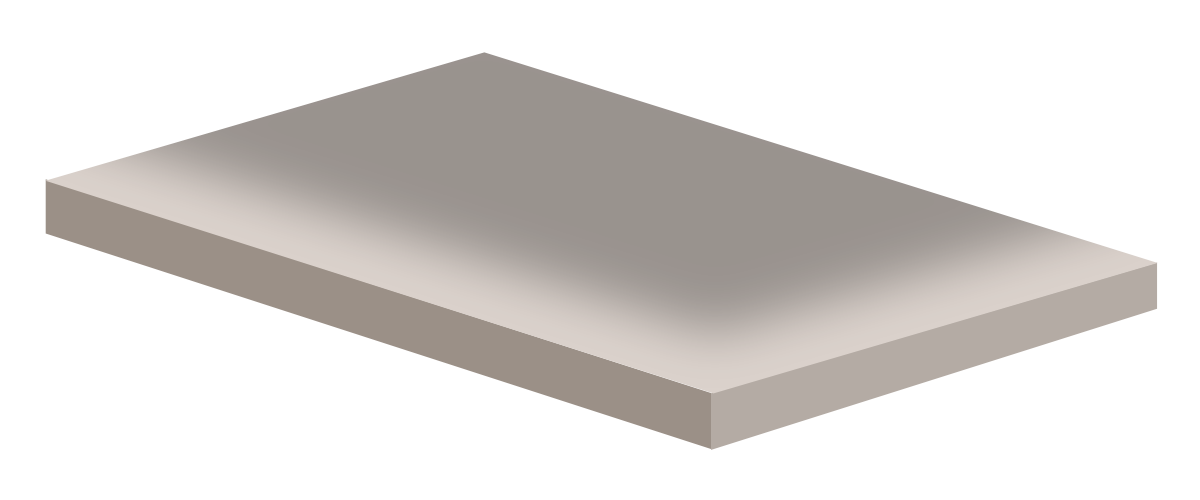
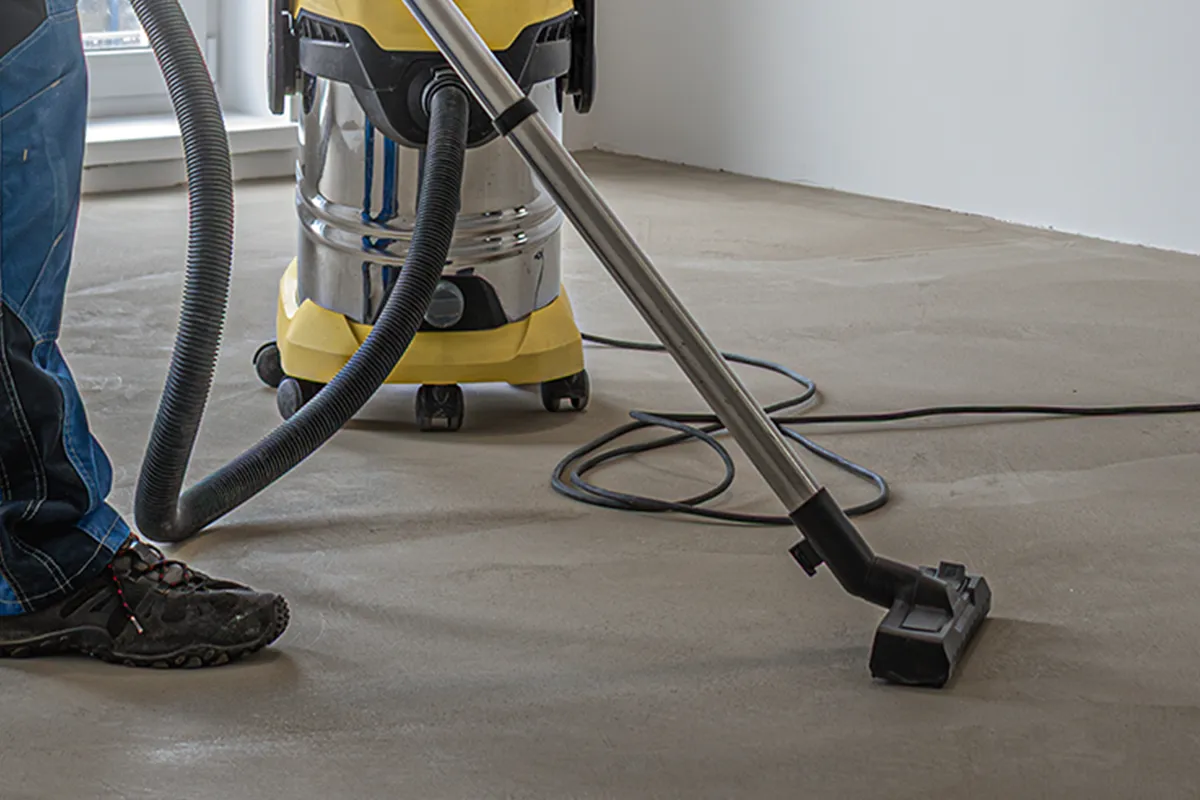
Surface Preparation

Clean the surface thoroughly to remove dirt, grease, and contaminants, and ensure it is fully dry before applying adhesive.
2 Adhesive
1 Surface Preparation

2

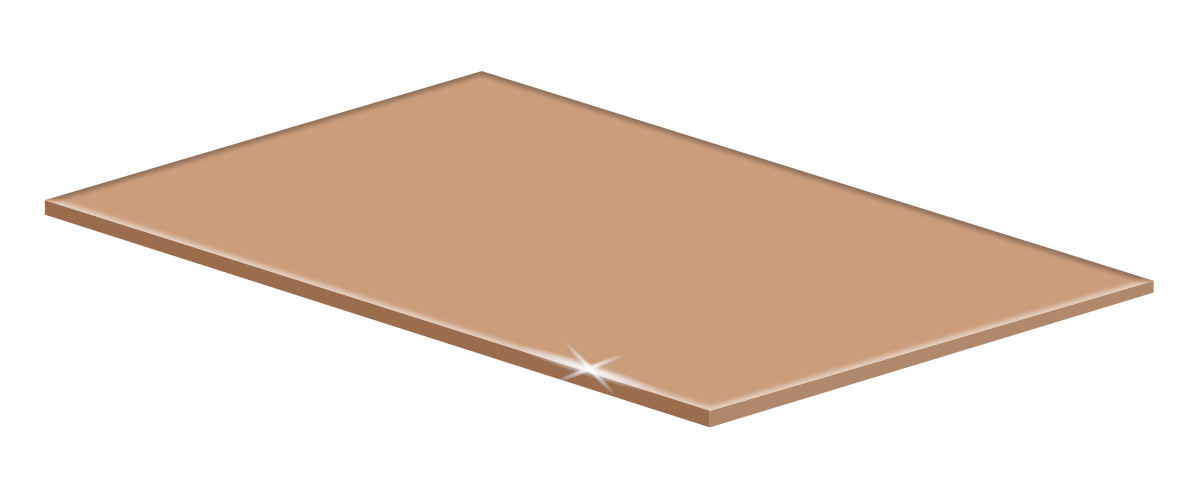
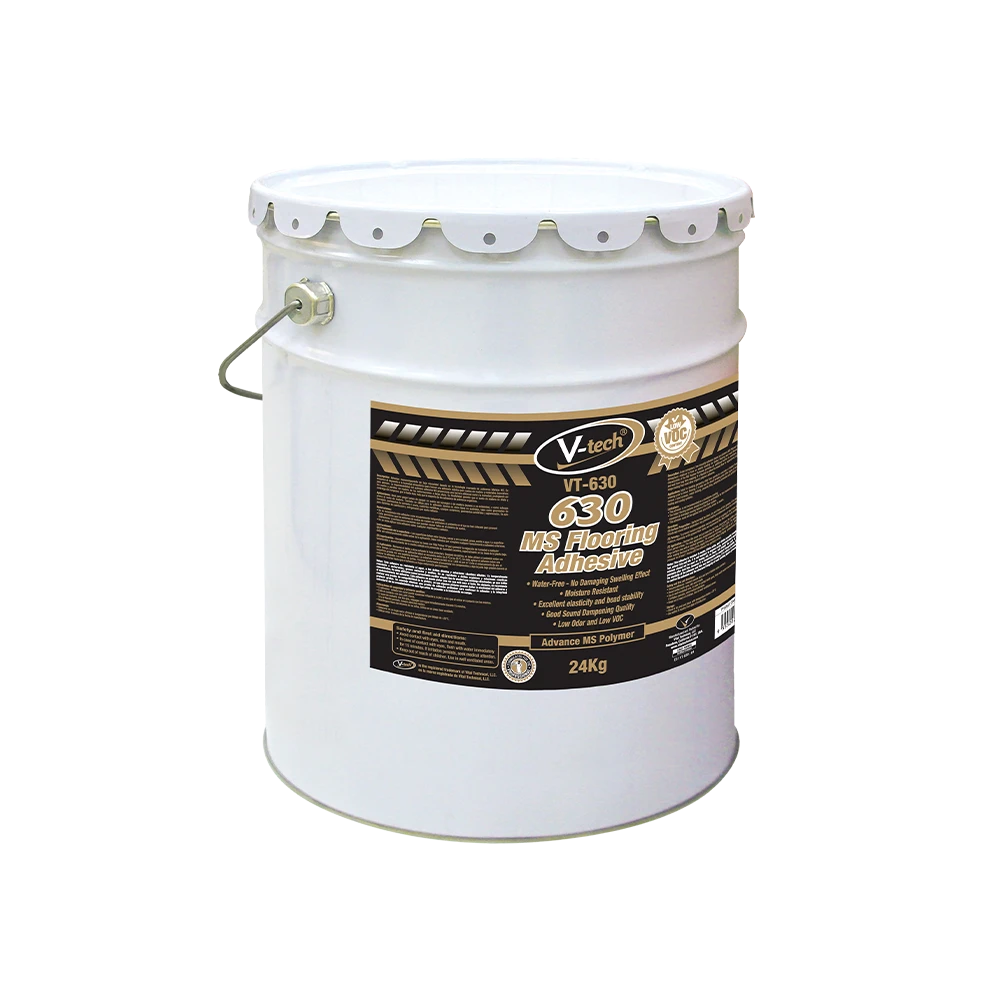
Adhesive

V-tech VT-630 MS Flooring Adhesive

Apply an eco-friendly wood flooring adhesive uniformly on to the floor. Install your wood flooring, securely placing it in place before adhesive fully cures.

Achieving long-lasting wooden floor adhesion with a compatible system

Simply fixing lifted or damaged floor planks without addressing the base condition may lead to recurring issues such as popping, warping, or surface peeling. The bare-to-finish approach treats each layer properly to strengthen adhesion, improve moisture resistance, and enhance surface protection.

Your Guide To Bare-to-Finish Solutions for Missing Tile Joints

Learn all about how to solve missing tile joints at exterior areas.

What Causes Wooden Flooring to Pop Out?

Apart from affecting the appearance of your interior space, wooden floor bucking also creates safety hazards such as tripping. The lifted planks may crack, warp, or suffer permanent damage if left unattended. Nippon Paint’s Bare-to-Finish Solutions for Wooden Floors is designed to fix your wooden floor issue with a bare-to-finish solution.

Humidity & Moisture

High indoor humidity, water spills, leaks, or damp subfloors can cause the wooden planks to swell. When there is no proper moisture control, the pressure forces the planks to be lifted from their position.

Poor Installation

Floor planks installed too tightly against walls may not have enough room for natural movement. Incorrect adhesive application or inadequate locking systems can further contribute to lifting, popping, or uneven surfaces.

Uneven or Unstable Subfloor

A subfloor that is not level, dry, or structurally sound can create stress points beneath the wooden planks. When weight is applied, unsupported areas may shift, causing the planks to loosen or rise.

Following the proper repair steps with our recommended solutions ensures popped-out wooden floorboards are treated from the base layer itself. This not only restores a smooth floor but also strengthens the board’s adhesion to the foundation, improves durability, and helps prevent them from popping out again.

Explore our recommended system solutions or speak to a Nippon Paint expert to find the right solution for your home.