Waterproof Your Flat Roof or Clay Roof to Prevent Leakage
Nothing ruins a cozy evening quite like the rhythmic drip-drip-drip of a ceiling leak. Whether you are looking out over a sleek, modern flat roof or the classic, Mediterranean charm of clay tiles, water is your roof’s primary antagonist. Because flat and clay roofs handle drainage and environmental stress differently, a “one size fits all” approach to waterproofing simply doesn’t work.
The good news? You don’t have to wait for a drip to turn into a disaster. Waterproofing your flat roof or clay roof is one of the smartest investments you can make. In this guide, we’ll walk you through why these roof types are vulnerable, how to spot early warning signs, and the best methods to keep your home sealed tight.
Key Takeaways
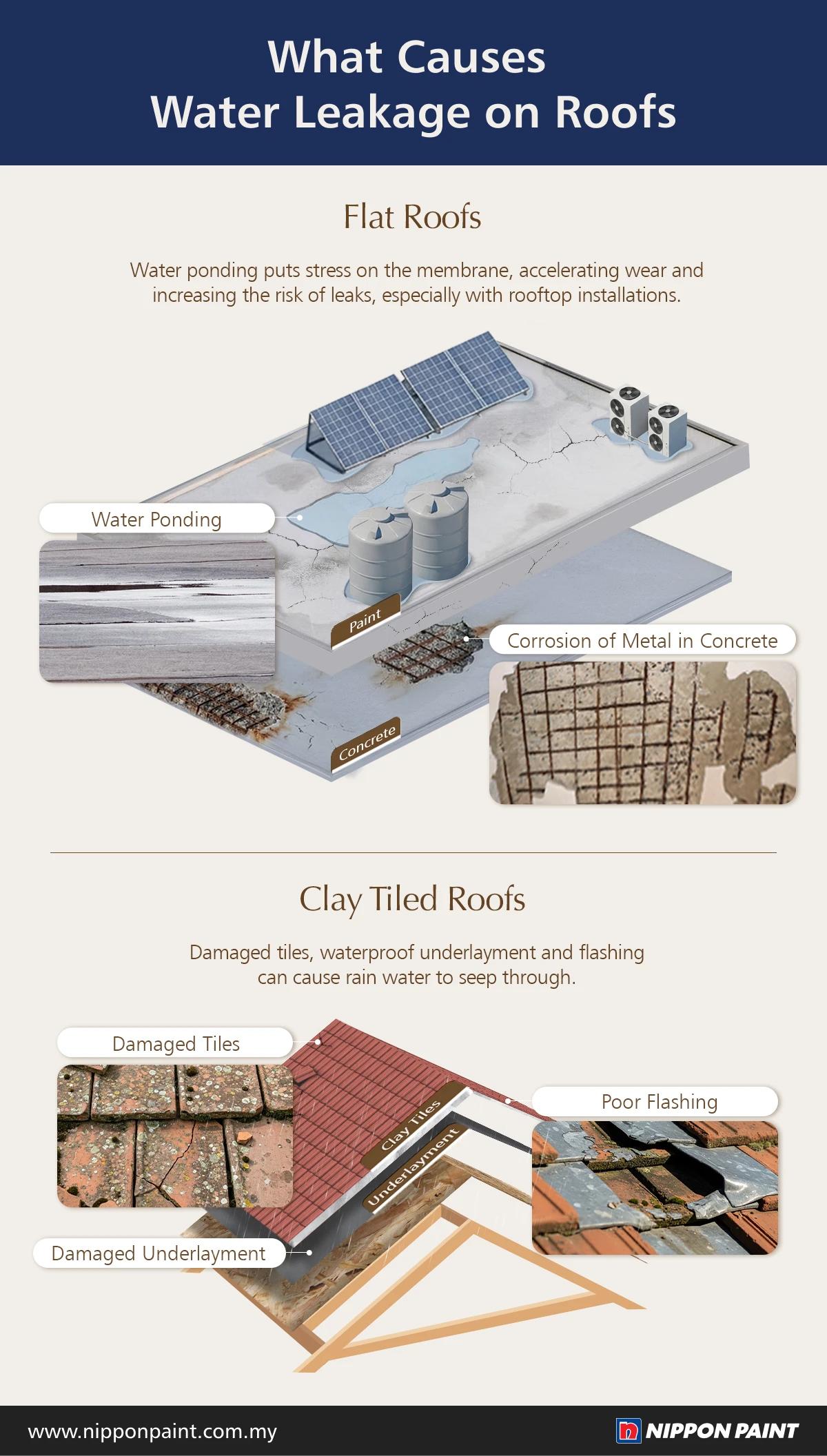
Flat roofs need continuous protection with liquid membranes or polyurethane coatings to prevent ponding and water infiltration.
Clay roofs rely on underlayment and flashings even if the tiles themselves are durable.
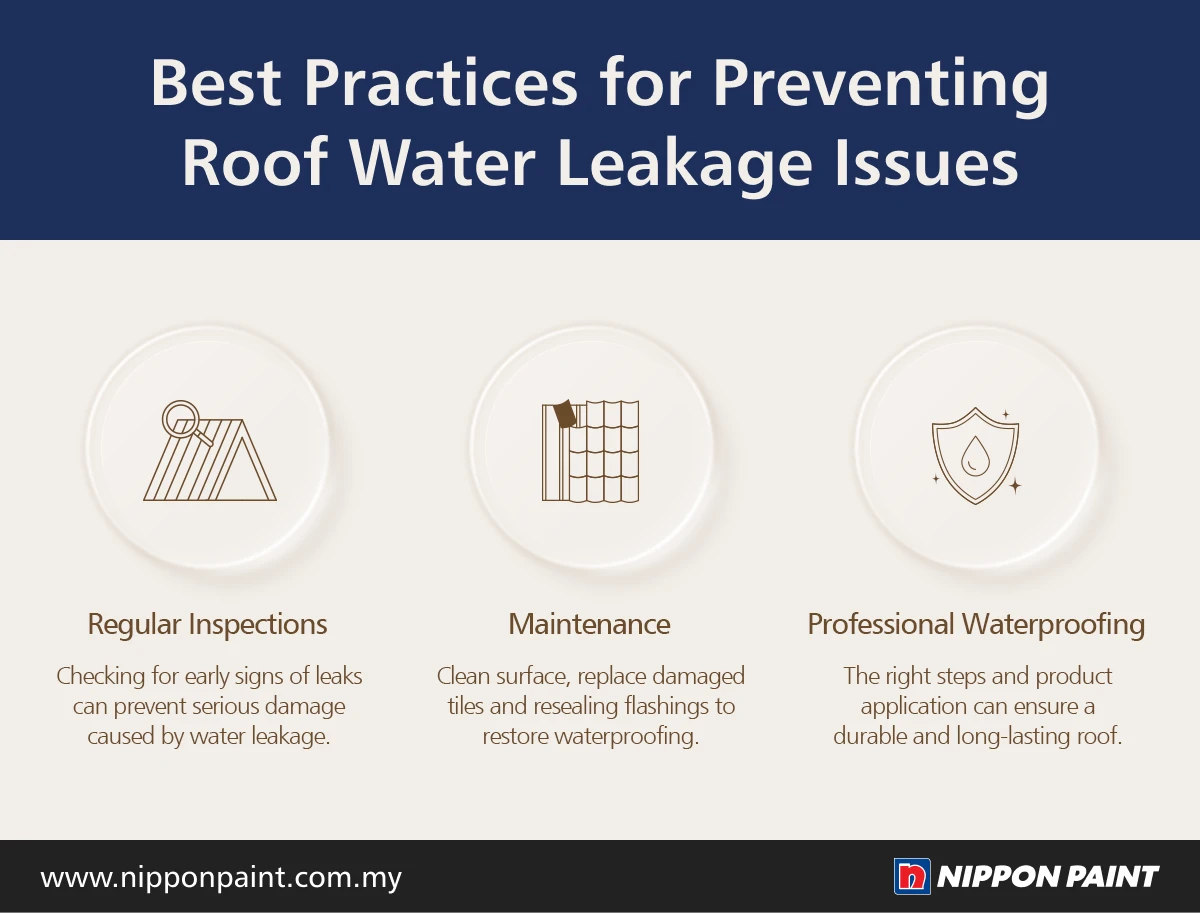
Regular inspections help identify cracked tiles, blistered membranes, pooled water, and indoor moisture.
Maintenance such as clearing debris, cleaning gutters, replacing damaged tiles, and resealing flashings extends waterproofing life.
Professional waterproofing ensures proper coverage, slope management, and correct product application.
Tips to Maintain Good Waterproofing Throughout the Years
Keeping your roof in good condition helps avoid expensive repairs and can even improve energy efficiency by preserving your home’s insulation and airtightness. Regular maintenance goes a long way:
Inspect your roof twice a year, ideally before and after the monsoon season
Clear gutters and drains regularly to prevent water buildup
Address small cracks or damaged tiles immediately before they worsen
Keep overhanging branches trimmed to avoid debris accumulation
Conclusion
Waterproofing your flat or clay roof doesn’t have to be a headache. With regular attention and the right approach, you can stop leaks before they start, save yourself from costly repairs down the road, and keep your home protected.
Whether you’re managing a flat roof that demands full surface protection or clay tiles that need precision around edges and flashings, the Nippon Paint Bare-to-Finish Solution delivers a totally compatible system.
Protecting layer by layer, it ensures every stage of the process works in harmony to create a seamless, durable defense against moisture so you can create your most beautiful home. Discover now.
FAQ
1. Can I apply waterproof coatings over moss or algae?
It’s not recommended. Moss and algae can prevent coatings from adhering properly and trap moisture underneath. The roof must be cleaned thoroughly, ideally using a mild roof-safe cleaner, before applying any waterproofing solution.
2. Do I need to waterproof a flat roof if I only use it for occasional storage or as a balcony?
Yes, you absolutely need to waterproof a flat roof, regardless of whether it is used for occasional storage, as a balcony, or left empty. Flat roofs are exceptionally vulnerable to water ponding (accumulation) because they lack the natural runoff pitch of sloped roofs.
3. One of my clay tiles slipped after strong winds. Will water get in?
Yes, even a single displaced tile can expose the underlayment. Immediate replacement of the tile and inspection of the waterproof layer beneath will prevent hidden leaks.
4. My flat roof has a small rooftop storage shed. How can I waterproof around it?
Roof structures like sheds create seams and joints where water can enter. Ensure all joints are sealed with waterproof membranes or sealants. You can also apply a continuous liquid coating over the roof and around the shed’s base to create a seamless barrier.
5. I live near the coast, and my clay roof tiles are turning salty. Can waterproofing help?
Yes. Salt from sea spray can gradually erode tiles and underlayment, making your roof more vulnerable to leaks. Applying a breathable, water-repellent coating will protect both tiles and underlayment while allowing trapped moisture to escape. Regular cleaning to remove salt deposits also helps prolong roof life.
6. I live in a high-humidity area, and my clay roof tiles sweat during hot mornings. Does this mean my roof is leaking?
Not necessarily. Morning condensation is common in humid climates, but persistent dampness under tiles could indicate a compromised underlayment or poor ventilation. Applying a breathable waterproof coating on tiles and ensuring proper attic ventilation helps reduce moisture buildup and prevent hidden leaks.